As a teacher and researcher, I strive to create an environment where all individuals—particularly those from historically underrepresented or marginalized backgrounds, regardless of background, sexual orientation, gender identity, or personal or political beliefs—feel respected and supported in their academic, professional and personal growth. I believe that, if we all act tolerantly, a diverse and inclusive environment enhances learning, research, and collaboration by bringing together different perspectives and experiences. Specifically, I want to highlight three aspects in which I foster DEI:
Fostering DEI in the Classroom
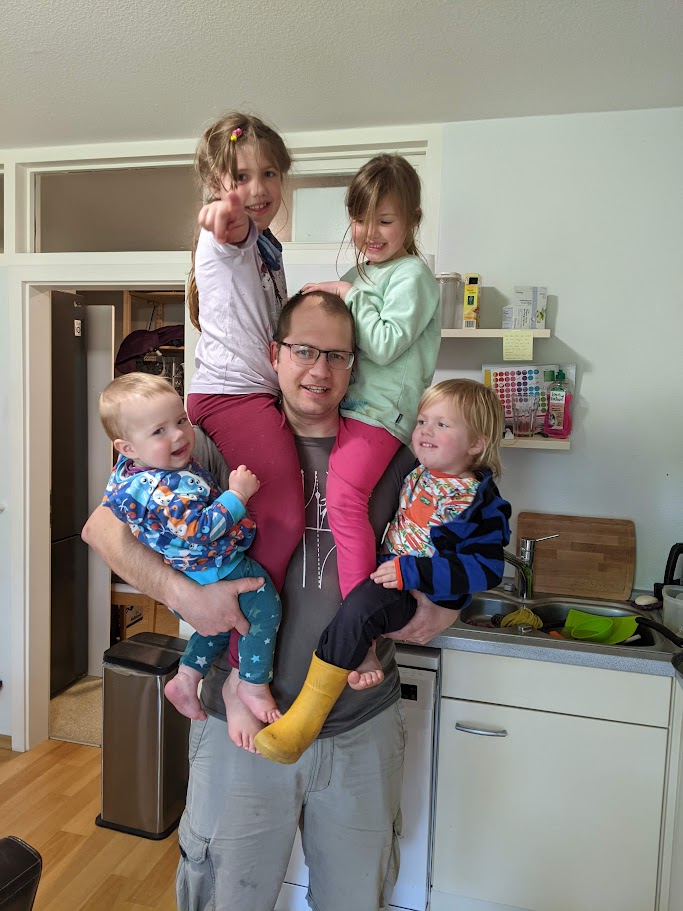
As a teacher, I aim to create an inclusive and welcoming environment that encourages all students to participate fully in their education. I reduce barriers to communication by encouraging students to call me by my first name, to create a welcoming atmosphere, particularly for international students or students who may feel intimidated by formal academic hierarchies. Additionally, I openly share aspects of my personal life, e.g. showing pictures of me with my four children, to humanize myself and signal to students that personal and family-related responsibilities are respected. My goal is for students—especially those with caregiving duties—to feel comfortable seeking support when needed.
Promoting Diversity in Hiring and Collaborations
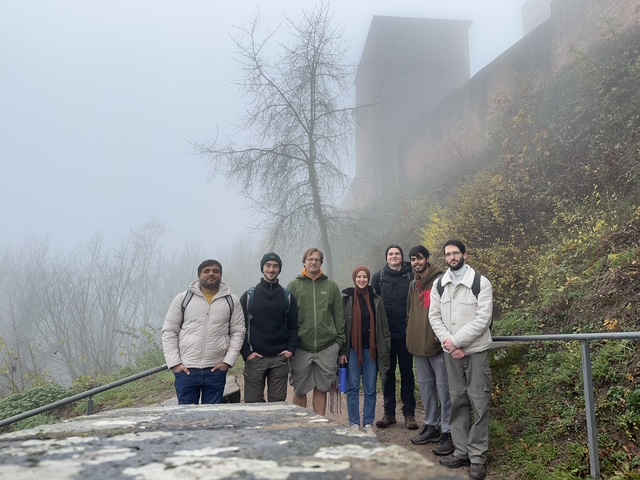
My commitment to diversity extends to hiring and collaborations. Science thrives when we engage with colleagues from diverse backgrounds, and I actively seek to work with researchers across the globe. Specifically, the last three people I hired were from 3 different continents (Germany, Nepal, and Argentina), including two women researchers. Similarly I have projects with researchers across the globe (including Brazil, China, South-Africa, Taiwan and Australia, see foto), reflecting my commitment to equitable evaluation and inclusive recruitment.

Building an Inclusive and Supportive Research Group
Within my research group, I cultivate an atmosphere of mutual respect and support. I meet weekly with each group member, and we begin the meeting with a brief personal check-in, allowing individuals to share how they are doing beyond work-related matters. This practice fosters a sense of community and psychological safety, where individuals feel valued not only for their scientific contributions but also as humans. Some team members have felt safe enough to share personal challenges, reflecting a level of trust and psychological safety within the group; in these situations, I aim to respond with empathy, appropriate support, and flexibility. Additionally, we hold weekly group lunches where work discussions are intentionally set aside in favour of casual conversation, reinforcing a sense of belonging. Finally, I also integrate my family into workplace events, such as holiday gatherings, and encourage others to do the same, recognizing the importance of work-life balance and the diverse personal responsibilities of my team members. For example, we specifically moved the Christmas dinner party to accommodate one group member with care duties to bring their child as well.
 Jurg W. Spaak